


what’s playing: floors turning to marble — christian kuria, tom misch, darius, j cole.
i turned thirty-one this week.
the morning of, i woke up to a text from j. he wrote: “god is going to honor your sacrifices and restore what you’ve lost. actually, restoration is already in progress. i can tell by the way you speak.”

i sat with that. he sensed something in me before i had words for it.
the night before, i woke up at 4:53am crying. still dreaming about someone who isn’t here anymore. questions with no answers, spinning in circles. then the tears came. i deleted old wallpapers of us. no chantilly cake this year. no balloons. no note. just me.
but j saw something else. motion. something already happening that i hadn’t named yet.
this week i didn’t consume much content. but i sat and noticed. davos happened. the world economic forum. bloomberg events. the adults in the room gathering. and from a quick view, something was aligning with how i’ve been seeing the world.
a shift in trump’s tone. canada’s tone shift. carney saying the “rules-based order” is a lie we told ourselves. ken griffin and larry fink diverging. claude on a rocket ship. dario as the modern day oppenheimer.
the world is already moving. most people just haven’t felt it yet.
what is actually happening.
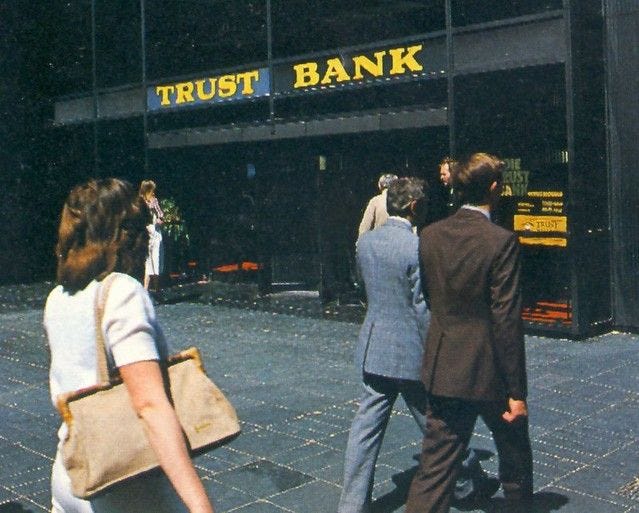
think about the bank you drive past. the local branch. the one your parents used. maybe you still have an account there. ask yourself. why does it still exist?
for decades, the answer was simple. banks borrow cheap and lend expensive. they pay you half a percent on your savings, charge someone else seven percent on a loan, and keep the spread. that was the business model. that was the reason to exist.
but here’s what most people miss.
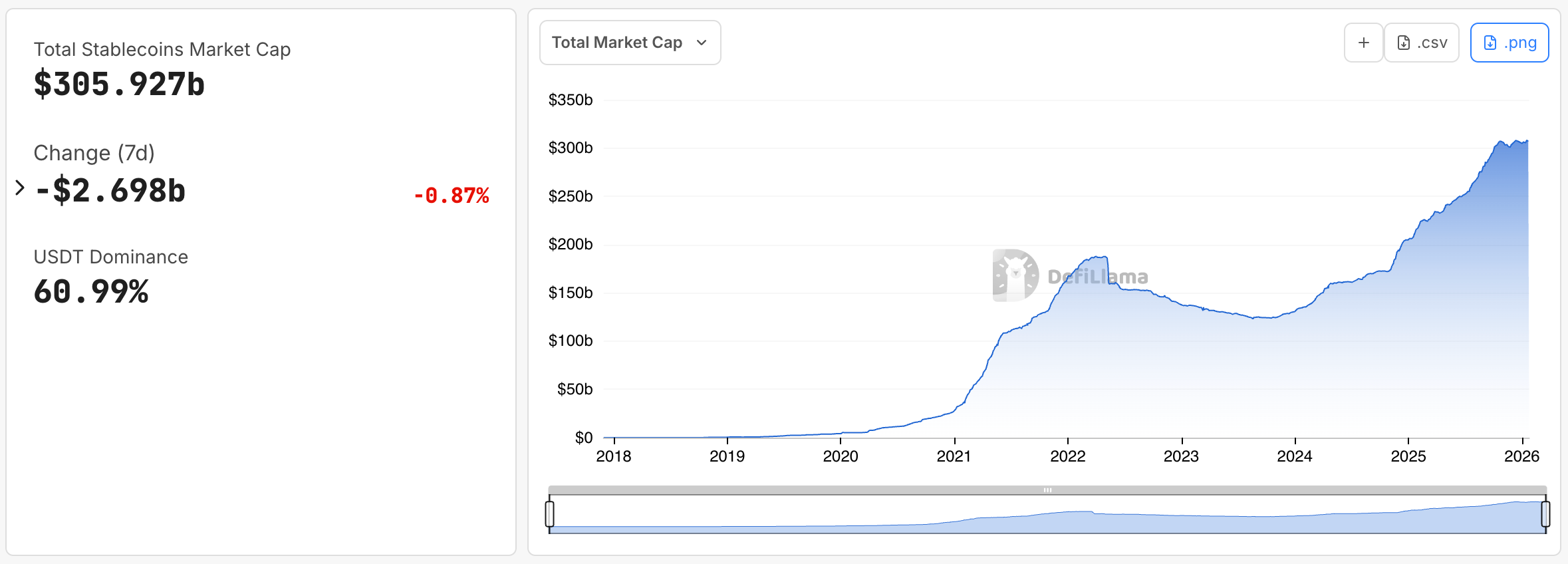
stablecoins now pay four to five percent. backed by treasuries. same safety. better yield. the coinbase ceo said it plainly this week. banks feel threatened. six trillion dollars could leave traditional banks if stablecoins pay competitive interest.
six trillion. that’s not market share. that’s the whole reason the bank exists.
and this isn’t happening in a vacuum. trust is leaving the system.
foreign central banks are buying gold, not treasuries. the us is tariffing the people who buy our debt. bessent’s “america first” is becoming “america alone.” carney at davos said middle powers now need “variable geometry”. ad hoc alliances because the old ones don’t hold.
the ground is shifting. the old pipes are cracking.
and then there’s ai.
nathan lambert wrote something this week that landed: “being good at using ai agents is a better moat than working hard. agents push the humans up the org chart.”
2026 is the year of the agent. claude just shipped cowork. agents that can run for hours, managing files, drafting, researching. satya calls them “token factories.” openai, google, anthropic, meta. they’re all shipping agents that can work for days without stopping.
the skill that made you valuable. the thing you trained for. the grunt work you cut your teeth on. is becoming ai’s baseline.
and people feel this. the fear. the anxiety. the vague sense of “am i on the wrong side of this?” that’s not paranoia. that’s the body knowing before the world catches up.
here’s the common thread: intermediaries are losing their reason to exist.
banks extract rent from deposits. workers extract rent from scarce skills. both are losing the reason they exist at all.
what i noticed.
the market sees chronic stress. business as usual with friction. vix at sixteen. banks still open. jobs still posted. the headlines feel loud, but the prices stay calm.
but the body knows.
the vague unease when you check your savings rate. the job that feels different even if the title is the same. the sense that something is moving beneath the surface.
at davos, the adults in the room were worried. blackrock, citadel, lagarde. drawing parallels to the 1920s. isolationism, tech boom, debt. the “great moderation” is over.
some people are already repositioning. moving to the new pipes. learning to manage agents. holding assets outside the old system.
most are still standing still. walking past the bank like it will always be there.
how i’m seeing it.
i don’t think the old system is dying slowly. i think it’s losing its reason to exist. that’s different. slower deaths leave time to adapt. losing your reason to exist is structural. it doesn’t come back.

near-term, the infrastructure is being built. the genius act passed. nyse is working on tokenization. twenty-four-seven trading, instant settlement, stablecoin compatibility. agents are shipping. the new pipes are filling up.
medium-term, the world catches up. the first bank reports deposit flight. the first company announces workforce reduction from agents. the market reprices.
long-term, the world looks different. some of what we rely on today won’t be there.
but here’s what j saw in me that i’m starting to see in the world. maybe the shift isn’t loss. maybe it’s clearing. making room.
the dot-com boom ran on debt. the ai boom runs on balance sheets. that difference matters. this isn’t speculation. it’s infrastructure. and infrastructure tends to stick.
things exist in duality. the same forces that make intermediaries obsolete are building something new. the question isn’t whether the shift is happening. the question is what survives it.
some lingering thoughts.
what if the body is early, but not right?
when money changes, who gets left behind? what happens to the coffeeshop on the block?
if agents do what juniors do, where do juniors go?
is this intuition or just hope?
what survives the shift?
the chart: stablecoin market cap. three hundred five billion and climbing. the new pipes filling up.
the read: nathan lambert — “being good at using ai agents is a better moat than working hard.”
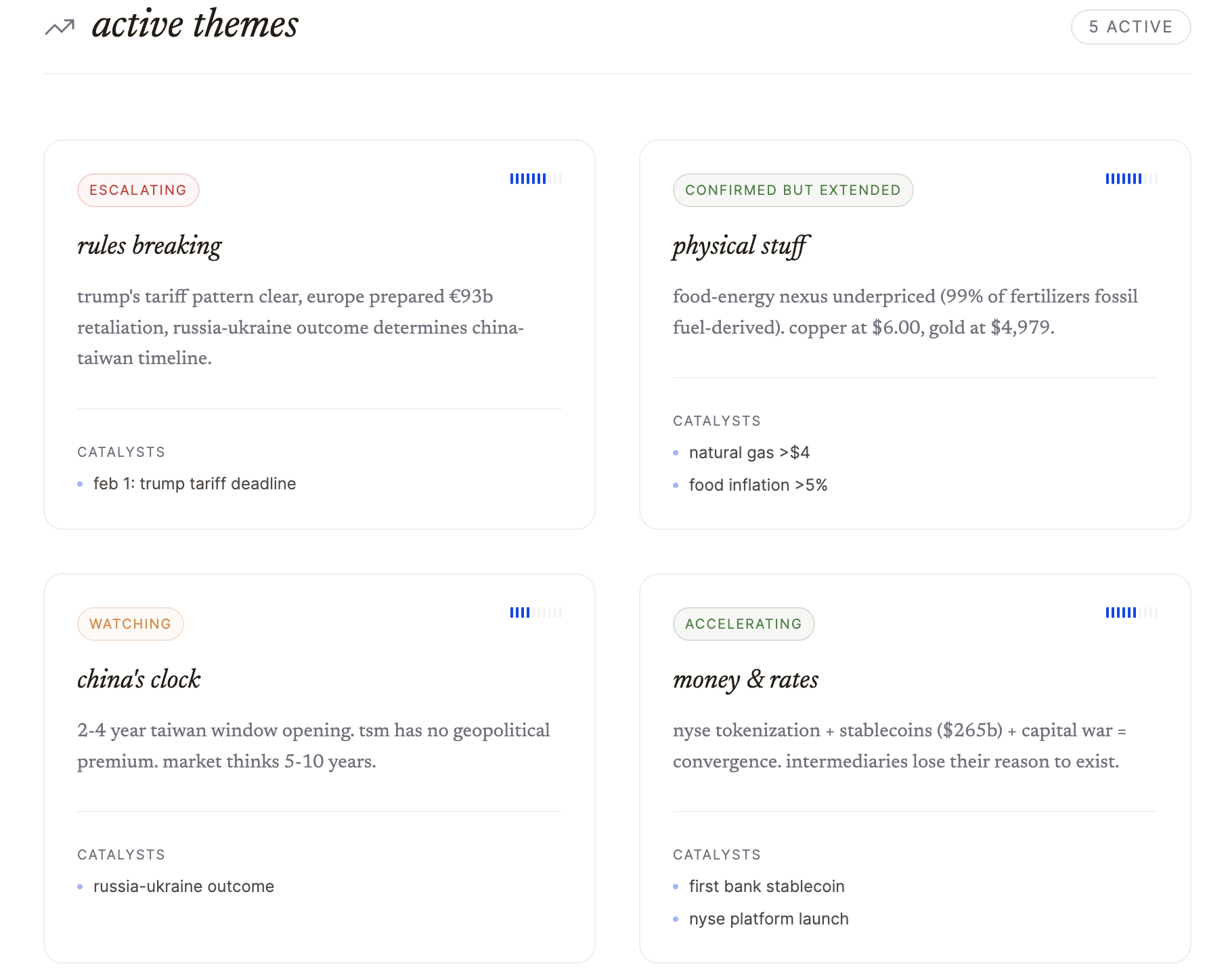
my view: themes, ideas, and catalyst.
the question i can’t shake: what stays when the rest falls away?
j saw it before i did. restoration is already in progress.
the world is moving. the body knows.
i’m not waiting for permission anymore. i’m already in motion.
— b.